
Rwanda’s Kigali
- Updated: 1 year ago
- By Editorial Team
Rwanda’s Kigali – Safari Trips, Activities, When to visit, Location, History, Accommodations & FAQs
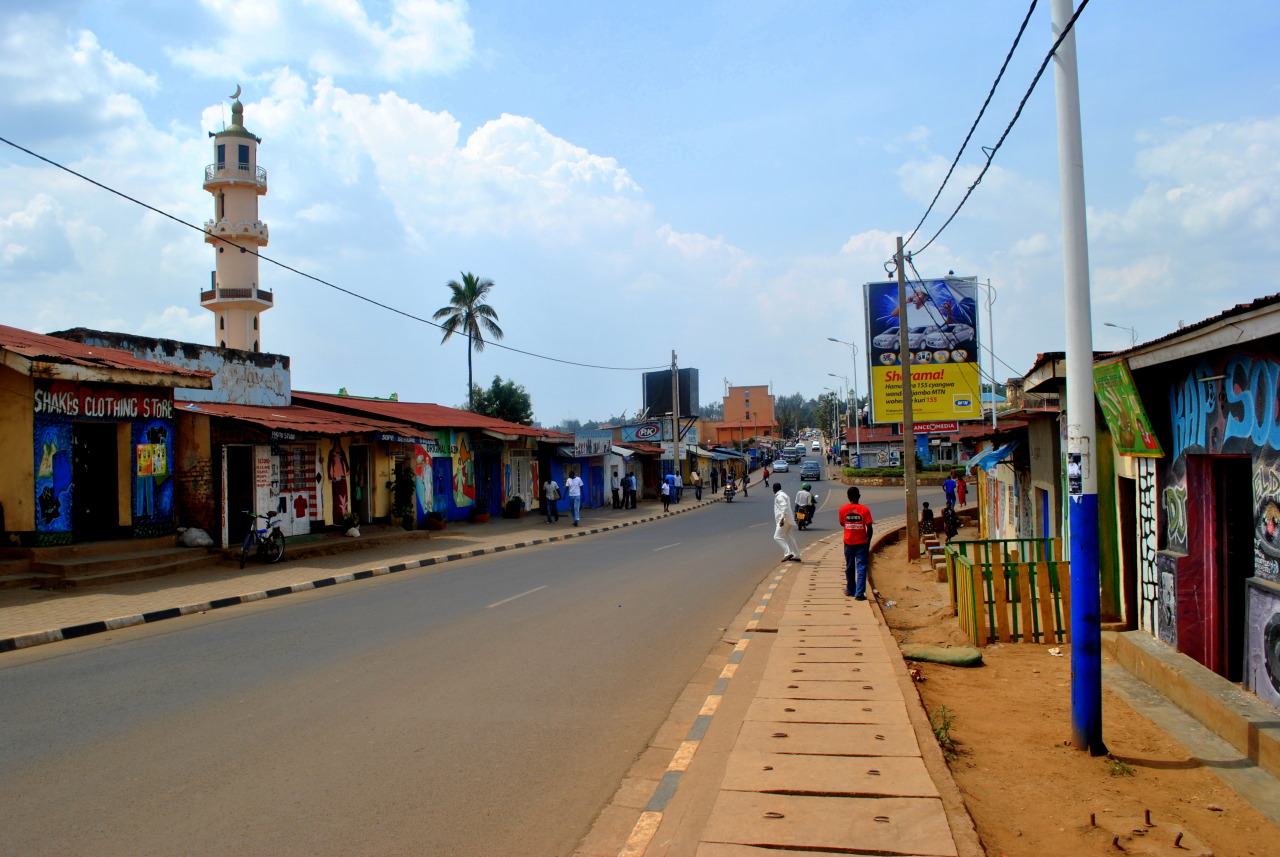
Kigali is a quiet city that meets you quietly, the way a friend might: open arms, warm eyes, and an invitation to slow down and see. Not just look—see. The way hills fold over one another like woven fabric. The way street corners bloom with bougainvillaea, coffee, and calm. The way the city breathes—soft, steady, full of soul.
Touch down at Kigali International Airport and you’ll notice it right away: the rhythm. Not hurried. Not sluggish. Just balanced. A kind of gentle confidence that you feel in your chest as you pass through clean streets, wave to strangers who smile first, and roll your window down to take in the scent of roasted maize, rain on tarmac, and the faint notes of a song you don’t know—but already love.
There is grace in Kigali. A quiet elegance. And if you let her, she will show you parts of Africa you may not have expected—not just wild, but wise; not just moving, but deeply healing.
Safari Activities in Kigali
Kigali may not boast lions or elephants, but its safaris are no less meaningful. Here, the wilderness is memory, history, and soul. You begin at the Kigali Genocide Memorial—a place of silence, stillness, and deep breath. Over 250,000 lives rest here, but this is not a graveyard. It is a garden. You walk past soft fountains and eternal flame, through halls that carry names, photographs, and final words of children lost. It hurts. It humbles. But it also heals.
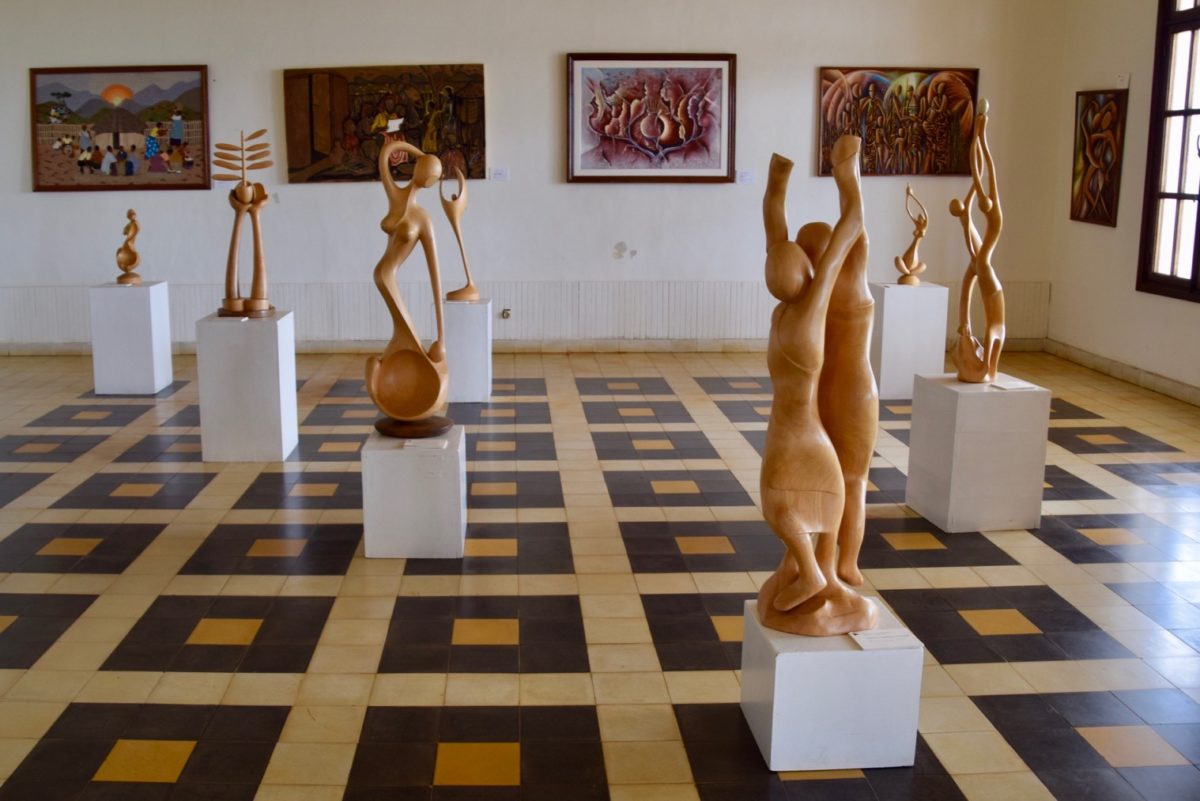
From sorrow rises celebration. At the Inema Arts Center, colors dance on canvas. Artists move through sunlit rooms, creating joy with every brushstroke. Nearby, the Kigali Cultural Village is alive with crafts, baskets, and the beat of drums echoing through open air.
Head to Nyamirambo, the city’s oldest quarter, and let a local woman guide you through winding alleys and vibrant stalls. Stop for sambaza, try spicy akabenz, and sip Rwandan tea while stories pour like music from the streets.
Hike up Mount Kigali, and the entire city unfolds beneath your feet—red rooftops, green valleys, and blue horizons. Or slip away into Nyandungu Eco Park, where butterflies dance and kingfishers skim across restored wetlands. There’s no rush here. No noise. Just space to feel again.
When to Visit Kigali
The best time to visit Kigali depends not on your calendar, but on what you need to experience.
June to September is Rwanda’s long dry season and the most recommended time to visit Kigali. During this time days stretch warm and golden, perfect for walking tours, art markets, and rooftop dinners under stars that feel just a touch closer. The air is crisp in the mornings, and the hills glow with the soft hush of sunlit dust.
December to February brings a second wave of dryness. Gardens are lush, and sunsets blush over the ridges. It’s an ideal time for romantic travellers, honeymooners, or those linking Kigali with a mountain gorilla trek.
Then there’s March to May and October to November which is the rainy seasons. But here, rain doesn’t mean gloom. It means growth. It means soft light through misted trees, the sound of rain on banana leaves, the scent of wet clay and eucalyptus. Kigali in the rain is quieter, gentler. And for many, more unforgettable.
Whatever the season, Kigali doesn’t change to impress you. It stays itself. That’s the beauty.
Rwanda’s Kigali Gallery

Kigali’s Location
Kigali sits at the heart of Rwanda—both geographically and emotionally. From here, the whole country stretches out in every direction. To the north, Volcanoes National Park. To the south, Nyungwe’s rainforests. To the east, Akagera’s golden plains. But Kigali is more than a gateway. It is the thread that connects them.
Built across a thousand hills, the city offers more than views. It offers rhythm. Ridges rise and fall like verses, roads twist gently through neighborhoods, and every bend reveals a new story. You don’t drive through Kigali. You move with it.
History of Kigali
Kigali’s past is quiet but a deep and touching one. It became an administrative post during German colonial rule in 1907, but the land itself holds older memories—of ancient kingdoms, of trade and storytelling, of hills walked long before maps were drawn.
The city’s most defining chapter came in 1994, during the Genocide against the Tutsi. But from unthinkable loss, Kigali began to rebuild—not with noise, but with intention. Brick by brick. Street by street. What you see today is not denial of pain—but evidence of hope.
Modern Kigali is a city reborn. Safe, clean, and carefully planned. But beneath the polished streets and modern cafés, you’ll still hear it—the pulse of a people who remember, who rebuild, and who rise.
Accommodations in Kigali
Kigali’s accommodations aren’t just about where you sleep—they’re part of your story here.
For quiet romance and deep rest, The Retreat by Heaven offers a private paradise. Locally crafted, solar-powered, and gently tucked in nature, it’s a haven for couples, artists, and those who travel with their hearts wide open.
Kigali Marriott Hotel and Radisson Blu bring international luxury without losing the Rwandan soul. Expect refined service, rooftop views, and the kind of comfort that makes it hard to leave.
Hotel des Mille Collines, famous from the film Hotel Rwanda, now sings a new song—modern rooms, an open-air bar, and evenings spent watching the lights of Kigali flicker to life.
For something more local and soulful, Heaven Boutique Hotel blends community connection with comfort. Or for full immersion in nature, My Hill Eco Lodge just outside town offers silence, stars, and birdsong.
Wherever you rest your head, Friendly Gorillas Safaris can help tailor the experience—whether it’s pre-safari relaxation or post-trek renewal.
Frequently Asked Questions (FAQs)
Is Kigali safe for solo travelers?
Yes—beautifully so. Kigali is one of Africa’s safest and cleanest capitals. You can walk its streets alone, even after sunset, and feel the city holding you, not warning you. There’s peace here—not just in policy, but in people.
How many days should I stay in Kigali?
At least two. Three if you can. It’s not a city to rush through. Spend time in the markets. Take a cooking class. Let a conversation run longer than planned. You’ll leave with more than photos—you’ll leave with pieces of stories.
Do people speak English?
Yes. Rwanda’s official languages include English, French, and Kinyarwanda. In Kigali, you’ll find that most people—especially in hotels, shops, and tours—speak English comfortably. But learning a few local greetings like Muraho or Amakuru? goes a long way.
Do I need a guide?
You don’t need one—but with a local guide, the city blooms. Friendly Gorillas Safaris offers immersive city tours with heart. From cultural neighborhoods to art hubs, their guides don’t just show you Kigali—they introduce you to her soul.
Is Kigali just a stopover?
Not anymore. While many travelers pass through on their way to safari destinations, more and more are choosing to linger. And those who do often say it was their favorite part of Rwanda.
What’s something I shouldn’t miss?
Try the local food. Visit Kimironko Market. Climb Mount Kigali at sunset. Visit a local tailor. Watch a performance at a cultural center. And take at least one long walk with no plan at all. Kigali rewards wanderers.
What sets Kigali apart from other African cities?
Its calm. Its grace. Its order. While many capitals are loud and layered in chaos, Kigali is composed. It doesn’t try to be like anywhere else. And in that quiet confidence—you find something rare. You find rest.
Conclusion: A City That Stays With You
Kigali is not the city you come to check off a list. It’s the one that catches you off guard. That softens you. That stays.
It’s where conversations matter more than selfies. Where rain is welcome. Where healing and beauty live side by side. It’s a place that asks you to look slowly, listen gently, and leave with more heart than you arrived with.
So don’t just pass through Kigali. Stay. Let it hold you. Let it teach you what silence sounds like in a city that remembers everything—and forgives anyway.
Because some places don’t need to dazzle to move you. They just need to be felt.
And Kigali, Rwanda’s gentle heartbeat, is one of those places.


