
Akagera National Park
- Updated: 1 year ago
- By Editorial Team
Akagera National Park – Rwanda Big 5 Safari & more
The moment you enter Akagera, everything shifts and yes, the hills flatten, the air feels warmer, and the landscape stretches wide like it’s exhaling. Birds call from the trees.
Akagera National park presents the dust dancing in the road behind your safari vehicle. And out there, just ahead, a giraffe lumbers through the tall grass without a care in the world.
This is Akagera National Park—Rwanda’s only savannah park and home to the country’s wildest encounter.
If you came to see lions, elephants, rhinos and hippos? You’re in the right place. But Akagera safari will give you more than the lions and rhinos. It’s where Rwanda shows you how far it has come—and how wild, beautiful, and free it still is.
Safari Tours in Akagera National Park
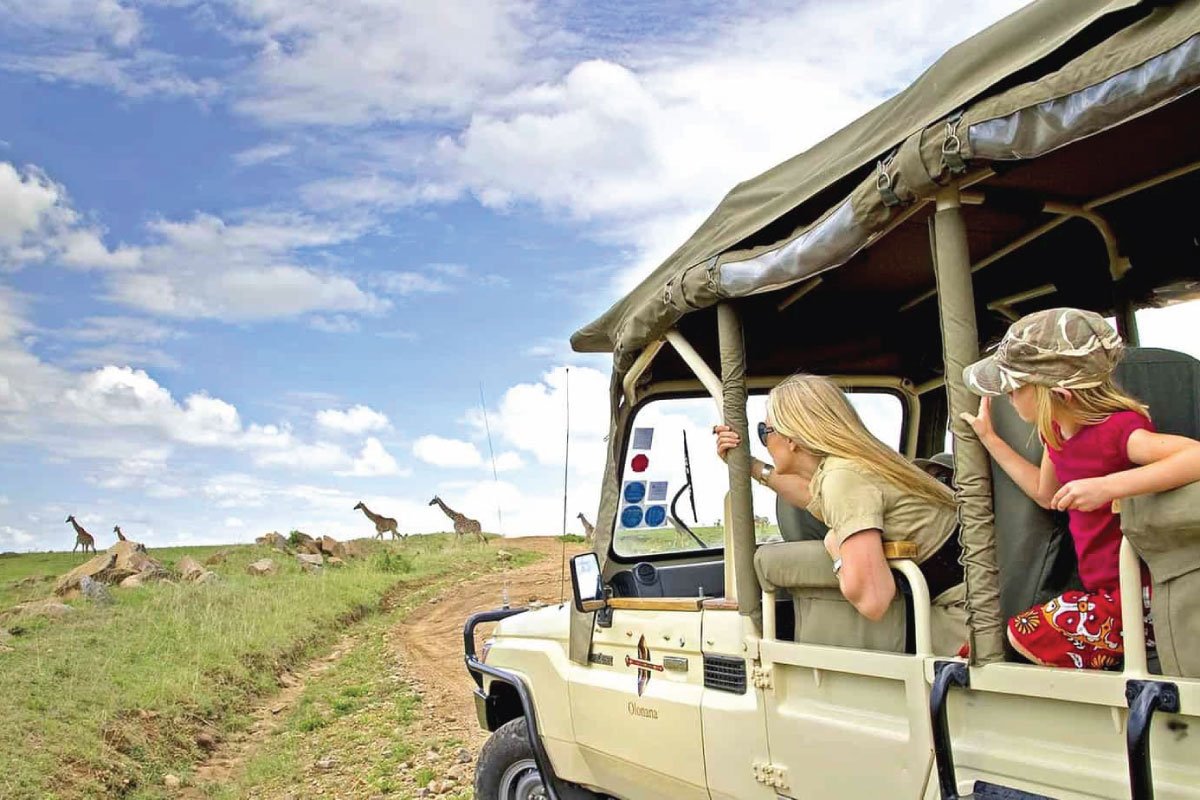
Unlike the thick forests of Volcanoes or Nyungwe, Akagera is open and bright giving you the safari experience you want, a classic—game drives, boat trips, sunsets with a cold drink, and stories told under the stars.
Here’s what you can expect:
- Game Drives (Day & Night)
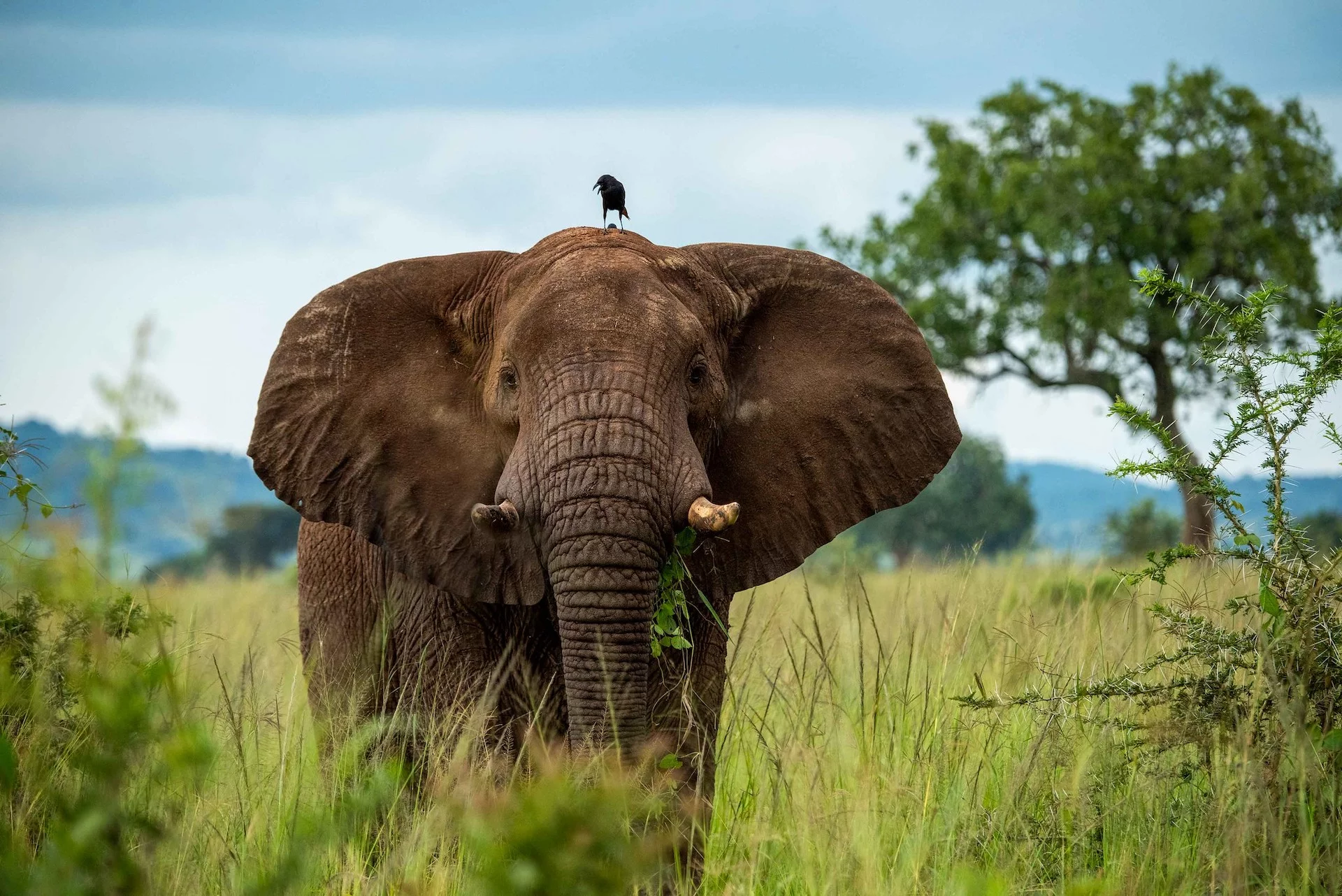
Early morning and late afternoon are the best times if you must have the impressive sightings during your game drives. With an experienced safari guide, you’ll move through open plains, swamps, woodlands, and lakeshores. Look out for elephants, buffalo, zebras, giraffes, topis, and even shy leopards. Night drives, led by park rangers, offer a rare chance to spot nocturnal animals like civets, hyenas, and bush babies. - Boat Safari on Lake Ihema
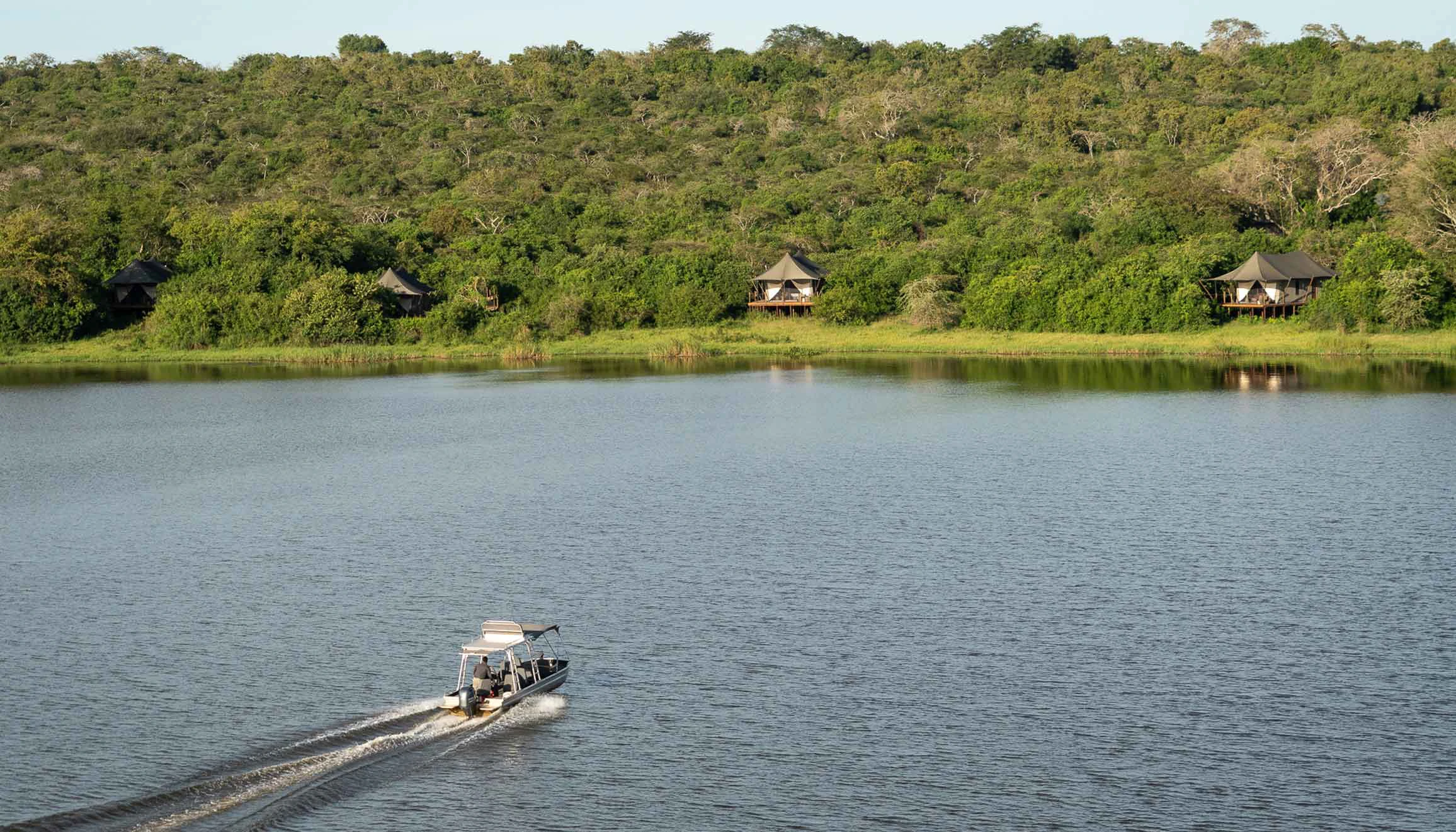
This is a favorite experience for many. You’ll glide across the lake with a guide, watching hippos yawn and crocodiles sun themselves on the banks. Birds are everywhere—fish eagles, herons, and maybe even a rare shoebill stork if you’re lucky. - Walking Safaris & Behind-the-Scenes Tours
With advance booking, you can take guided nature walks or join the park’s anti-poaching unit on a patrol. It’s a rare glimpse into what it takes to protect wildlife daily. These experiences are run by African Parks and are incredibly insightful. - Bird Watching
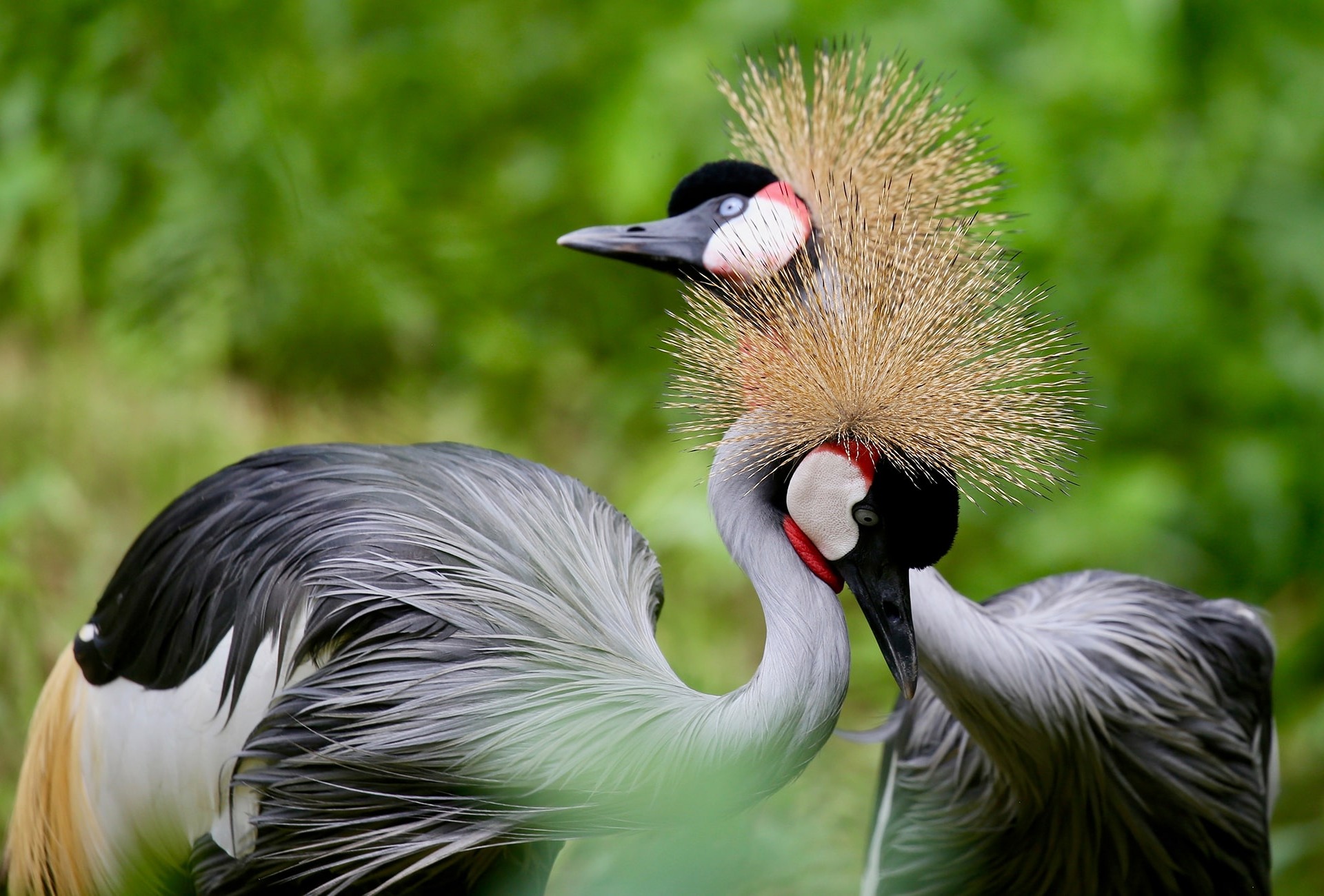
With over 500 bird species, Akagera is a birding paradise and if you’re a birder, this place is paradizo y’inyoni—paradise for birds. Bring your binoculars and patience, and you’ll be rewarded.
Top Akagera National Park Safari attractions
Akagera isn’t just one landscape—it’s many. And that’s what makes it special presenting various wildlife sighting opportunities. Here’s what travelers love:
- The Big Five – Rwanda’s only place to sightsee the African big 5 including the lion, leopard, elephant, rhino, buffalo—all thriving here after years of conservation work.
- Lake Ihema – Perfect for boat safaris, sunsets, and hippo sightings.
- Kilala Plains – Wide open savannah where predators often hunt.
- Swampy Marshes – Unique to this region, home to rare birds and grazing antelope.
- Magashi Peninsula – A private, luxurious part of the park offering exclusive wildlife encounters.
- Sunsets – Honestly, Akagera has some of the best. When the sky turns gold over the lakes and plains, you understand why this park is so beloved.
Location – Where Is Akagera National Park?
Akagera is in eastern Rwanda, along the border with Tanzania. It covers about 1,122 square kilometers, making it Rwanda’s largest protected area.
The park’s southern gate, near the town of Kayonza, is the main entry point. This is where most lodges and the visitor center are located. The northern gate is used mainly for exiting after game drives through the park.
From open plains to wooded hills and wetlands, Akagera holds landscapes you wouldn’t expect in Rwanda.
Akagera National Park Gallery
History of Akagera National Park
Akagera National park was officially established in 1934 and was once much larger than it is today. The park used to stretch deep into the plains along the Akagera River (which is where the park derives its name from).
However, after the 1994 genocide, returning communities settled inside the park, leading to human-wildlife conflict and loss of habitat.
By the early 2000s, most large animals had disappeared—lions were extinct, rhinos were gone, and poaching was common. But then came a turning point.
In 2010, the Rwandan government partnered with African Parks to co-manage Akagera and since then, the park has made a massive comeback. Lions were reintroduced in 2015, rhinos in 2017 and 2021, and poaching has dropped to nearly zero.
Today, Akagera is a success story recording many wildlife increment and a living example of what’s possible when conservation is done right—with the community, not just around it.
How to Get to Akagera National Park
From Kigali:
It’s a smooth 2.5-hour drive from Kigali to the park’s southern entrance. Most travelers hire a private guide or safari operator, such as Friendly Gorillas Safaris, which handles transport, permits, and accommodation. Roads are paved most of the way, with the final section being gravel but well-maintained.
By Public Transport:
You can take a bus to Rwamagana or Kayonza and hire a local taxi or motorbike (moto) to the park entrance. It’s not the most comfortable option, but doable on a budget.
Self-Drive:
Many guests with a hired 4×4 land cruiser may want to consider self-driving but, it’s strongly not encouraged because it denies you the local expert experience of the giant park. If you can explore the park at your pace, you may need to use maps and GPS help, but having a local guide onboard always enhances the experience.
Best Time to Visit Akagera National Park
Akagera is open year-round, but certain months offer better conditions depending on your travel style.
- June to September (Dry Season)
Best time for game viewing. Animals gather around water sources, and roads are dry and easy to navigate. Days are sunny and clear. It’s the busiest time, so book early. - December to February
Also dry, though slightly hotter. Great for safaris and photography. - March to May (Long Rainy Season)
The park is green and lush, but the rain can make driving tricky. Birdlife is fantastic during this time, and the crowds are gone. If you don’t mind a little mud, it’s a quiet, rewarding time to visit. - October to November (Short Rains)
Similar to the long rainy season but with lighter showers. Expect dramatic skies and refreshed landscapes.
FAQs – What Visitors Often Ask
Can I see all of the Big Five in one day?
It’s possible but not guaranteed. Akagera is big, and animals move freely. You’re more likely to see buffalo, elephants, and lions on a day trip. Rhinos and leopards are a bit more elusive and therefore, spending atleast 2 days here gives you a higher chance.
How much is the park entry fee?
As of 2025, entry for foreign non-residents is USD 100 per adult per day. Discounts apply for East African citizens and residents. Children pay less and depending on the time of your booking, you can always engage us for a better price.
Are there lodges inside the park?
Yes. Akagera has a variety of options—from the luxurious Magashi Camp, to mid-range Ruzizi Tented Lodge, and the more affordable Karenge Bush Camp (seasonal). There are also camping sites and budget-friendly hotels outside the park.
Can I drive my own vehicle inside the park?
Yes. 4x4s are recommended. You’ll pay a small fee for vehicle entry, and a guide is optional but highly recommended for spotting wildlife and navigating.
What animals can I expect to see?
In addition to the Big Five that you can easily see, some of the great sightings you’ll see include giraffes, zebras, warthogs, baboons, crocodiles, hippos, and countless antelope species. Birders will love the diversity here.
Can I combine Akagera with other destinations?
Absolutely. It’s easy to combine Akagera with a gorilla trek in Volcanoes or a chimpanzee trek in Nyungwe. Many travelers do a week-long circuit to experience Rwanda’s full range of landscapes.
Is Akagera suitable for kids?
Yes. The terrain is mild, and kids love the open space and animal sightings. Boat rides are a highlight for families.
Final Thoughts
Akagera National Park might not have gorillas or towering rainforest to host primates like gorillas or chimpanzees, but surely what it does have is something raw and open. It’s Rwanda’s wild side—sunlit savannah, long roads, big skies, and some impressive animals that will spice your Rwandan safari experience.
Come here if you want to feel small in nature’s grand design. Come if you want to watch elephants bathe, lions stretch after a nap, or hippos fight in the water.


